
Acne Solutions for Teens When Over-the -Counter (OTC) Products Fail
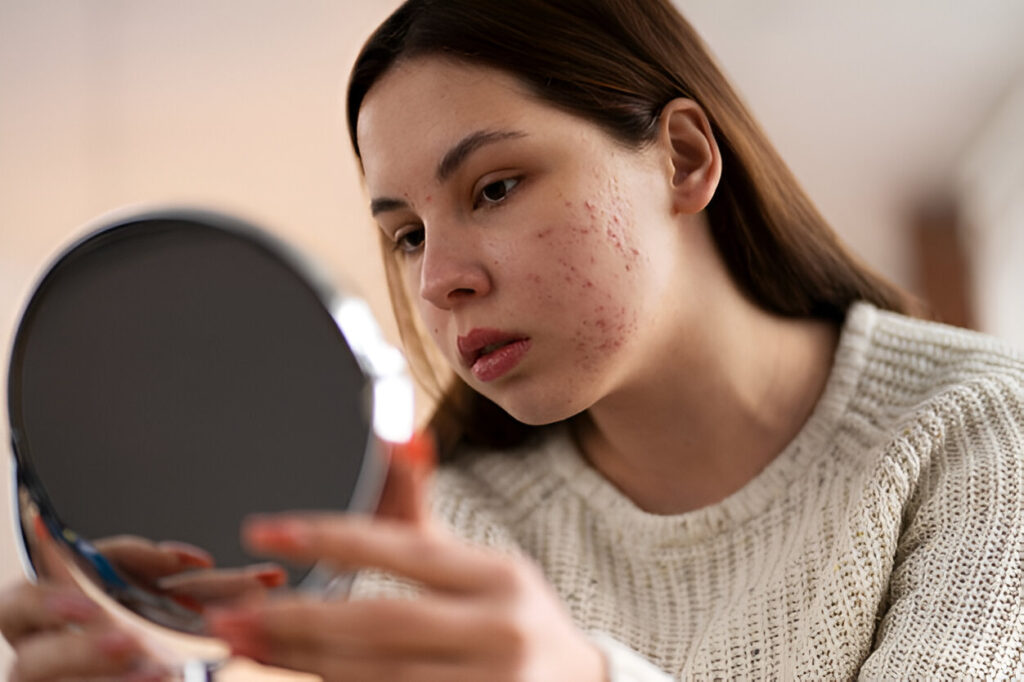
Discover effective acne treatment and prevention options in Westport and New Canaan. Learn how professional care and advice can prove effective when over-the-counter acne products aren’t working.
When your teen first starts dealing with acne, it is common to seek the advice of influencers or google and head to the pharmacy shelves. Over-the-counter creams, washes and spot treatments often feel like a good place to begin. Sometimes, they work for a while and your skin begins to look better. Other times, even with daily effort, those stubborn breakouts come right back. That cycle of hope and frustration can wear down both teens and their parents.
When an acne treatment stops working it can take a toll on your teen’s self-esteem. School, social life and vacation plans can be affected by the appearance of pimples and blackheads on their skin. If you find yourself constantly purchasing new acne facial products which fail to yield clear skin you are not alone. Many families in Westport and New Canaan experience the same struggle. The good news is that there are ways to seek help from professional skin experts when OTC products stop or never work.
Signs Your Teen’s Acne Treatment Needs Revision
When can you be sure that the advice you received from influencers and google and the OTC products you purchased are not working and a more advanced acne plan is needed? Here are a list of reliable signs that signal a time for change. Evaluation of your teen’s acne by a dermatologist and a switch to prescription medication are indicated.
- Your teen’s acne does not improve or gets worse week after week.
- Multiple OTC products fail to clear your teen’s pimples and blackheads and fail to prevent the formation of new acne lesions.
- The acne is causing scarring and pigmented spots. This can be improved with treatment and prevented with the proper medications.
- Your teen starts skipping photo opportunities, starts covering their face with creative hairdos or avoids planned events. These are signs of embarrassment or feeling self-conscious. It is time to seek help that is effective.
- The OTC products begin to cause unwanted side effects such as over-drying, peeling, redness or stinging of the treated skin.
If any of these signs sound familiar it is time to stop wasting time and money on skincare products that just don’t work.
Why Over-the-Counter Products Might Fail
Most OTC acne treatments are made for mild or early stage breakouts. They are made to manage occasional pimples, not treat deeper skin issues. If your teen’s acne has gotten worse, those beginner products probably don’t stand a chance. But why exactly do they stop working?
One reason could be product resistance. Many acne products rely on the same few active ingredients—like benzoyl peroxide or salicylic acid—and when they’re used over and over, skin can simply stop responding. Think of it like using the same password for everything. Eventually it gets picked apart, and it can’t protect you.
Then there’s the hormone factor. During the teen years, hormones can throw skin into chaos. Increased oil production clogs pores and makes it harder for topical creams from the drugstore to clear the skin. While stress and sweat from a busy summer in Westport and New Canaan don’t cause acne directly, they definitely don’t make things easier on inflamed skin.
Lastly, skin types vary a lot from teen to teen. What works on one teen’s dry skin might irritate another’s oily complexion. OTC products don’t always offer flexibility. They rarely take skin type, acne severity, or lifestyle into account. These differences really matter when it comes to successful results.
If you’ve spotted those warning signs and are starting to feel stuck, switching things up can make all the difference. The next step is finding out what professional treatment options might be right for your teen’s skin.
Advanced Acne Treatment Options Worth Considering
Once it’s clear that store-bought acne products aren’t doing the trick, the next step usually involves treatments that go beyond what is found on a drugstore shelf. These options are more personalized and often more powerful in helping teens with moderate to severe breakouts.
Professional treatments target the root of the problem rather than just scratching the surface. Depending on your teen’s skin needs, a dermatologist might recommend one or more of the following:
– Prescription topical treatments: These are stronger than OTC versions and can contain ingredients like retinoids, antibiotics or hormones that help calm inflammation, unclog pores and prevent the formation of new acne.
– Oral medications: In cases of widespread, painful or severe cystic acne, pills such as antibiotics, hormonal therapy (like birth control pills or spironolactone for women) or Accutane are sometimes used to regulate what’s happening below the skin.
– Cortisone injections: For large, painful acne cysts, quick in-office injections can shrink them down within a day or two.
– Physically removing blackheads and draining cysts using sterile techniques in the dermatologist’s office, helps to quickly improve the skin.
The benefit of working with a skin care professional, i.e. a dermatologist, is that they don’t take a one-size-fits-all approach. They assess your teen’s skin type, how long acne has been an issue, and what has or hasn’t worked. With that info, they come up with a plan that’s tailored to your teen’s needs and easier for your teen to stick to.
One local example I saw was a 14-year-old teen in my Westport office who had tried multiple OTC brands throughout middle school without improvement. After switching to a treatment plan that combined an antibiotic pill with an appropriate topical cream, results came within weeks—and that progress helped to quickly rebuild their confidence. The right combination of medications makes a huge difference.
How To Support Your Teen Through Treatment
It’s one thing to get the right skin treatment. It’s another to help your teen feel good while dealing with the ups and downs of acne. Support from home can help them stick with a routine and feel less alone.
Start by explaining to your teen that acne is common. All teenagers get acne. Acne is caused by hormonal changes which are part of growing up. Reassure them that their skin doesn’t have to be perfect and that they will eventually get better. Also remind them that sticking to a routine will be rewarded with better looking skin.
Here are a few other ways to help:
- Patience is a virtue. It can take 6 to 8 weeks for medications to start working. Encourage your teen to stick to the protocol even though they expect immediate results.
- Avoid harsh comments, teasing or joking about the appearance of their skin.
- Help your teen feel more in control by allowing them to choose noncomedogenic face and body washes, moisturizers and sunscreens.
- Encourage your teen to follow the care routine prescribed by their dermatologist.
- Celebrate progress. Fewer breakouts, less redness, and better texture all count.
- Check your teens emotional state. Should you notice that your teen is avoiding friends, skipping social events or becoming withdrawn, gently ask how they are feeling. You don’t need to solve everything – just be there for them and seek help if needed.
Helping Your Teen Achieve Clearer Skin
When store-bought products, google and influencer advice stop making a difference, it’s time to think differently. Many teens in Westport and New Canaan deal with stubborn acne that needs more than salicylic acid, benzoyl peroxide or other OTC products. Achieving clear skin often means stepping beyond nonprescription medications.
The best outcomes come from having a plan designed just for your teen. With consistent care, helpful support at home, and professional care when needed, teens can break the cycle of ineffective treatments and move toward steady improvement.
Clear skin doesn’t happen overnight, but it does happen. The key is acting when you know things aren’t working and giving your teen the personalized support they need to stick with a skin care regiment that works.
Finding a way to help your teen manage acne can feel overwhelming, but you don’t have to do it alone. Robin Gail Oshman MD, PhD is committed to offering personalized care that addresses the unique needs of every teen. If over-the-counter solutions aren’t cutting it, explore professional acne treatment options with Dr. Oshman. Together, we can work towards clearer, healthier skin that boosts confidence and embraces a fresh start. Reach out today to learn more about effective solutions tailored to your teen’s needs. Call 203-454-0743 for an appointment today.