
Cold Weather Skin Protection. Prevent Frostbite, Recognize Symptoms
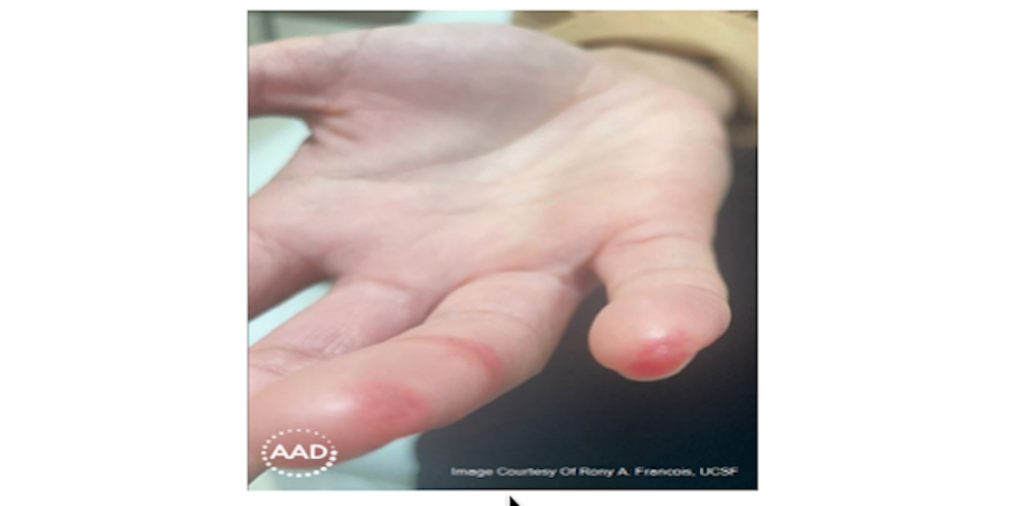
Exposing your skin to below freezing temperatures can result in damage to the tissue and lead to frostbite. It is important to prevent this to avoid permanent skin damage. If you need expert skin care guidance, a Westport dermatologist such as Dr. Oshman can help evaluate cold related skin concerns and provide treatment recommendations.
The following tips will instruct you on how to stay warm, prevent frostbite, recognize the signs and different severities of frostbite, and treat frostbite.
- Wear loose clothing and plenty of layers. This allows warm air to get trapped between layers and insulate you from the cold. The layer closest to your skin should be cotton. The next layer should be fleece or wool to hold in body heat. The third layer should be waterproof and windproof.
- Keep your feet warm and protected. Wear cotton socks under wool or wool blend socks. Wear waterproof insulated boots that cover your ankles. Make sure the layers are not too tight, since tight clothing reduces heat retention.
- Keep your hands warm. Wear insulated gloves or mittens.
- Keep your head warm. Wear a wool or fleece hat that covers your head and ears. Use a scarf or face mask to cover your face and nose. This helps warm the air you breathe and protects exposed skin.
- Keep your clothing dry. Prevent snow from entering your clothing and boots. If you begin to sweat, reduce activity and cool down to avoid moisture buildup.
- Recognize the symptoms. Early signs include skin that feels cool, looks white, feels numb, and has a hard texture. After warming, first degree frostbite causes red, swollen, and painful skin with expected full recovery. Second degree frostbite includes blistering and may cause long term nerve sensitivity and cold intolerance. Third degree frostbite causes blood blisters and deep tissue damage, and skin may appear dark or mummified. This can lead to skin loss. Fourth degree frostbite damages skin, tendons, muscle, and bone, and may result in amputation. At the first sign of symptoms, go indoors immediately to prevent further injury.
- Treat the affected areas. The goal is to stop further cold exposure and quickly restore blood flow by rewarming the skin. Submerge the affected area in water between 99 and 102 degrees Fahrenheit. Do not rub the area. Do not use dry heat. Do not apply ice. Do not place the skin in hot water. Seek medical evaluation to assess the extent of damage and determine proper treatment. If sensation does not return or the skin appears gray, seek emergency care immediately.
Enjoy your time outdoors. Take precautions when exposed to below freezing temperatures or prolonged cold weather. If you experience persistent symptoms, consult a Westport dermatologist such as Dr. Oshman for professional evaluation and care.