
Skin Types
How can I avoid rosacea flares?
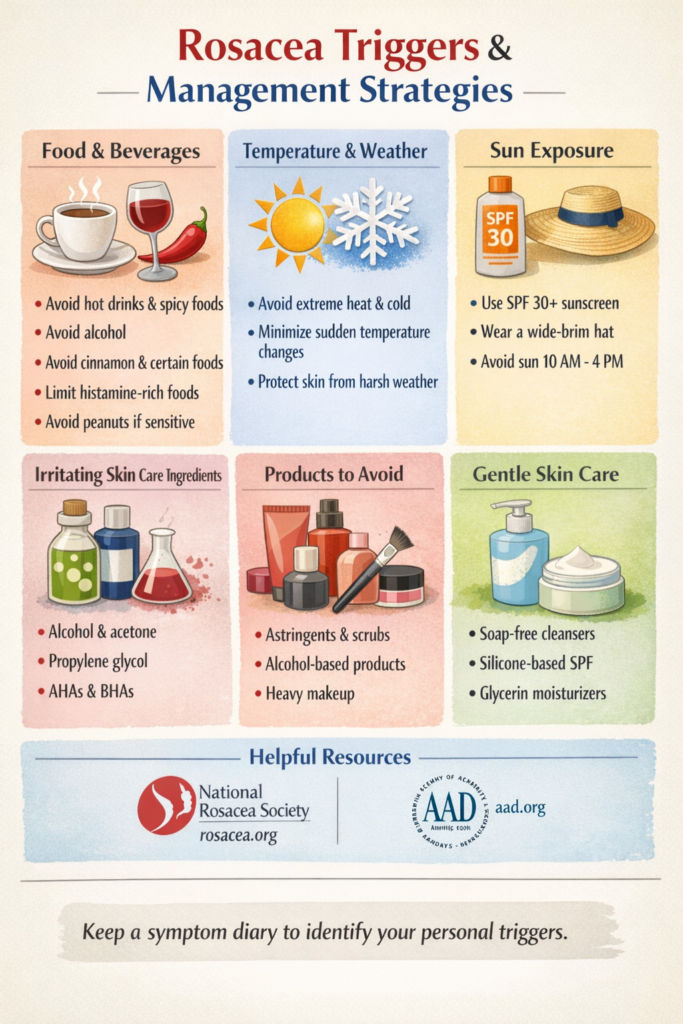
Rosacea Triggers and Management Strategies Managing rosacea works best when you identify and reduce exposure to common triggers. These can vary from person to person, but the categories below are widely reported. Food and beverages Avoid hot drinks like coffee and tea when steaming hot Avoid spicy foods Avoid alcohol Avoid cinnamon and cinnamaldehyde containing…
Read MoreCold Weather Skin Protection. Prevent Frostbite, Recognize Symptoms
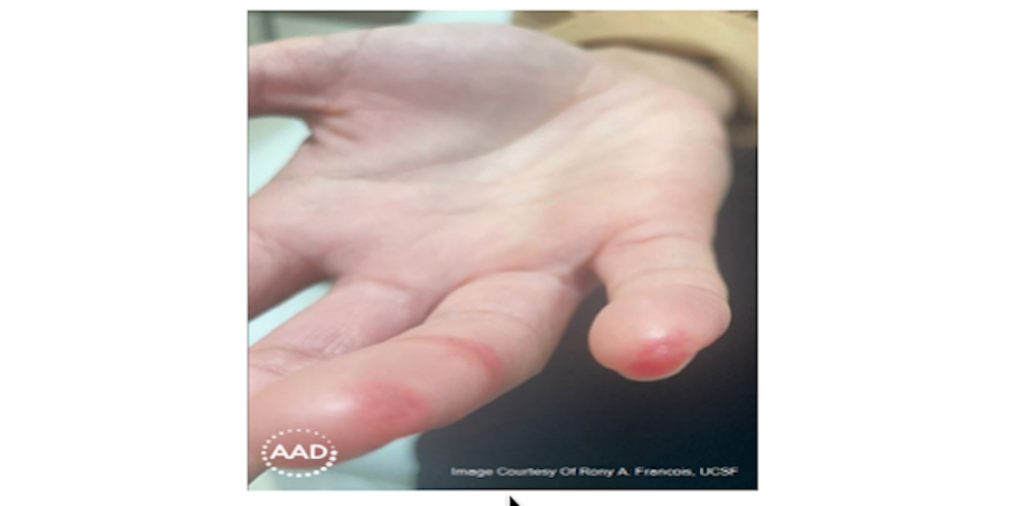
Exposing your skin to below freezing temperatures can result in damage to the tissue and lead to frostbite. It is important to prevent this to avoid permanent skin damage. If you need expert skin care guidance, a Westport dermatologist such as Dr. Oshman can help evaluate cold related skin concerns and provide treatment recommendations. The…
Read MoreWhen to See a Cosmetic Dermatologist in New Canaan

Fall in Westport and New Canaan Is a Natural Time to Check In on Skin Health As cooler weather settles into Westport and New Canaan, it’s normal to notice your skin feeling different. After a long summer spent in the sun and outdoors, the skin might not bounce back as easily as before. This season,…
Read MoreAre Cosmetic Dermatologists in Westport Right for You?
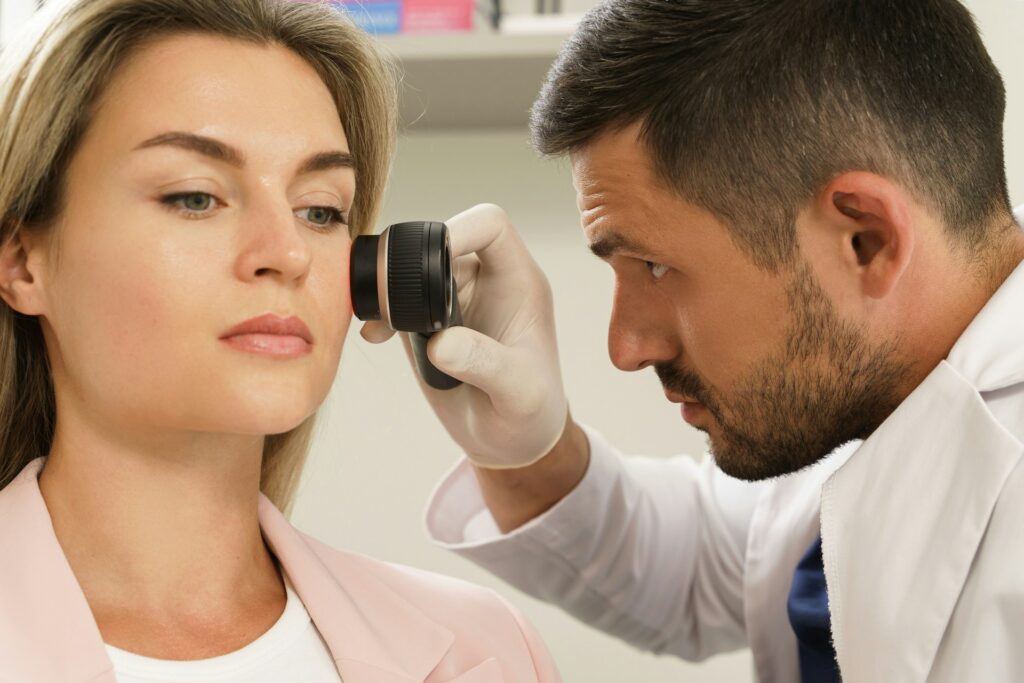
As Autumn begins in Westport and New Canaan and cool air settles in, many people begin to think about what’s next for their skin. A long season full of sun and activity can leave its mark, sometimes leaving skin feeling dry, uneven, or just not quite itself. These shifts often lead to deeper questions about…
Read MoreFoods That Can Trigger Your Rosacea Symptoms
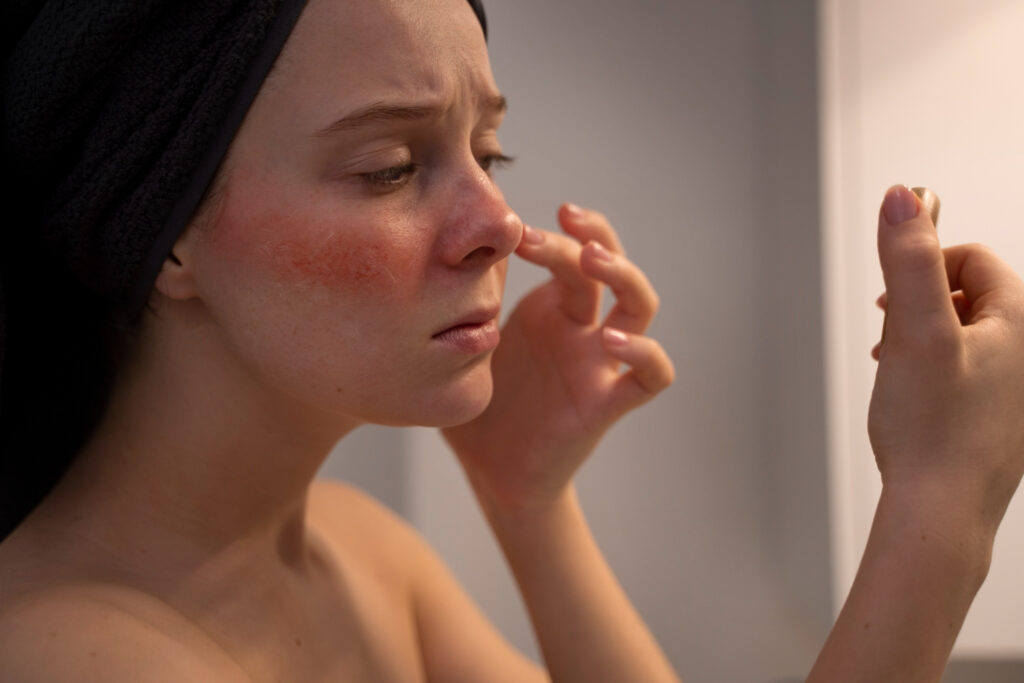
Rosacea is a common skin condition that can make your face look red or flushed, especially around the cheeks, nose, and chin. Some people also notice small bumps or visible veins along with the redness. Triggers for flare-ups vary from person to person, but diet plays a big role for a lot of people. What…
Read MoreSkin Cancer: Squamous Cell Carcinoma
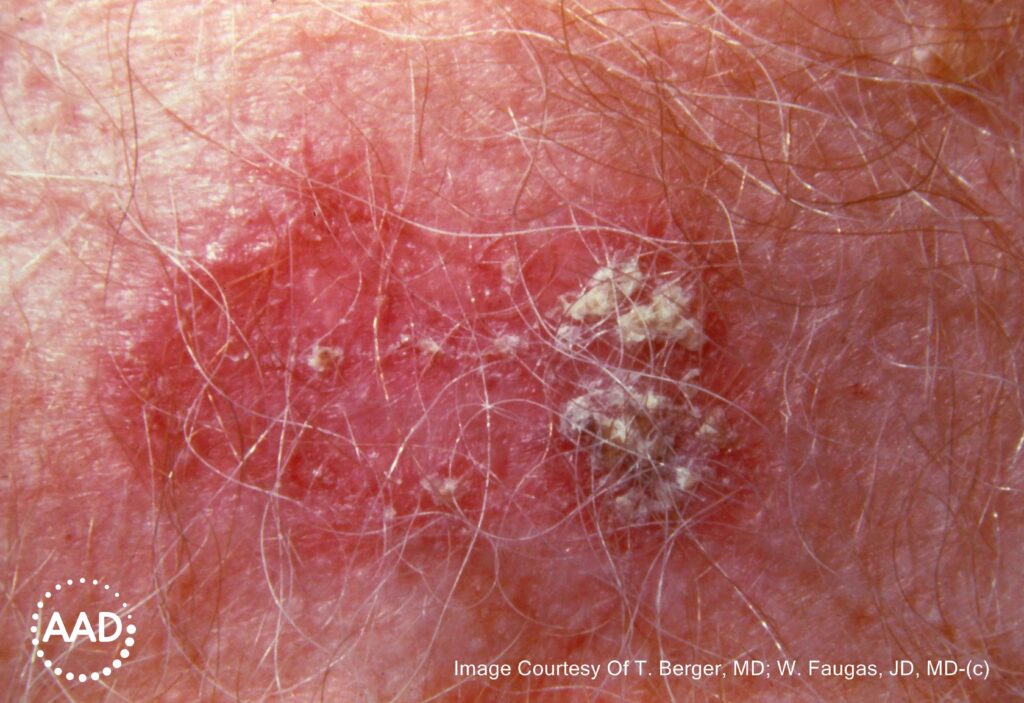
A Guide on Squamous Cell Carcinoma Squamous Cell Carcinoma is the second most common form of skin cancer caused by the sun. About 1.8 million Americans will present with a squamous cell carcinoma this year. They are usually found on the face, ears, bald scalp, back of hands and neck but can appear on any…
Read MoreSkin Cancer: Basal Cell Carcinoma
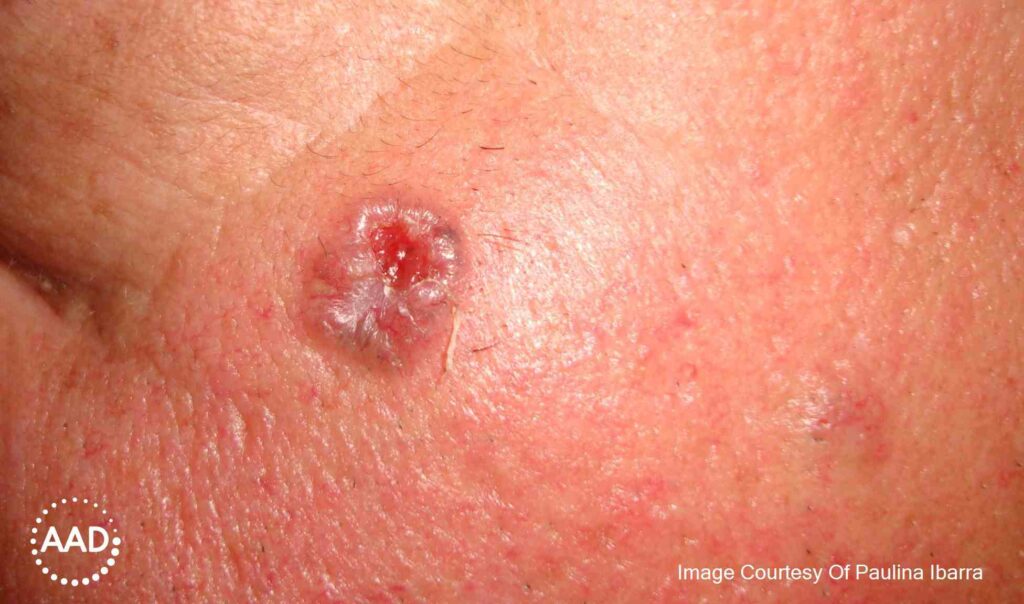
Early Detection and Treatment of Basal Cell Carcinoma Basal Cell Carcinoma is the most common form of skin cancer caused by the sun. About 3.6 million Americans will present with a basal cell carcinoma this year. They are usually found on the face, ears, bald scalp and neck but can appear on any sun exposed…
Read MoreSkin Cancer: Melanoma

Recognizing Melanoma Symptoms and Signs Melanoma is the most serious form of sun related skin cancer. An estimated 212,000 cases of Melanoma will be diagnosed this year in the United States. Of those, 105,000 will be invasive. Common Locations for Melanoma on the Body Melanomas can present in a variety of forms. Melanomas can appear…
Read MorePOISON IVY Leaves of three – let them be

Poison Ivy Safety Tips for Summer: How to Identify, Prevent, and Treat Exposure With summer in full swing and more time spent outdoors hiking, gardening, playing sports, or enjoying picnics, it is important to stay alert to common outdoor hazards—especially poison ivy. This widespread plant is easily recognizable by its fuzzy vines, clusters of berries,…
Read MoreFood for Thought – Port Wine Birthmark
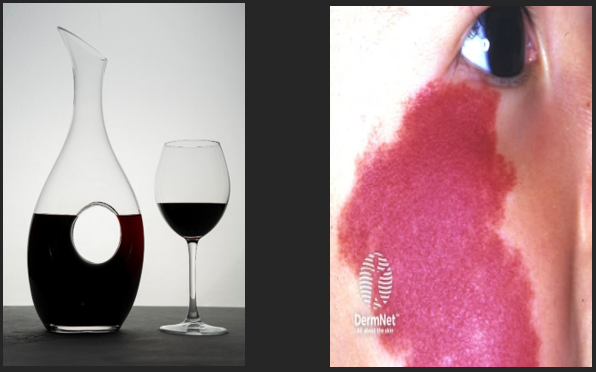
Port wine is a combination of wine and brandy which gives it its unique ruby red color. Port wine birthmarks (nevus flammeus) may be found on the face or body and represent malformed blood vessels. They may occur as a birthmark with no other symptoms associated with it or they may be associated with a…
Read More