
Foods That Can Trigger Your Rosacea Symptoms
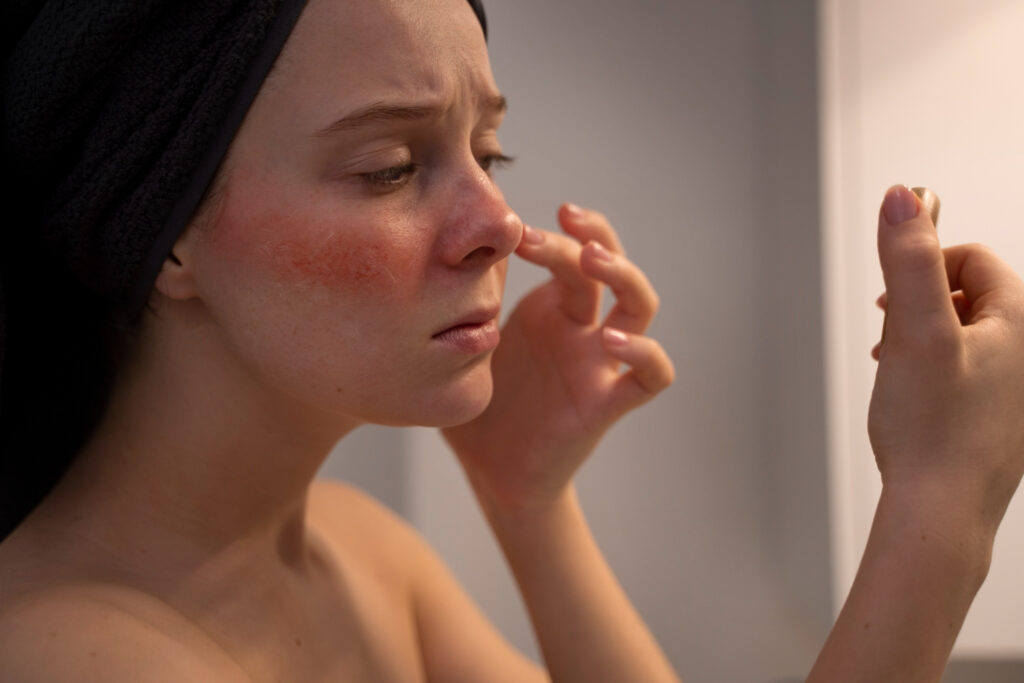
Rosacea is a common skin condition that can make your face look red or flushed, especially around the cheeks, nose, and chin. Some people also notice small bumps or visible veins along with the redness. Triggers for flare-ups vary from person to person, but diet plays a big role for a lot of people. What you eat may not cause rosacea directly, but it can definitely make the symptoms worse when your skin is already sensitive.
Certain foods can make your skin react, and over time you might start to see a pattern. It’s not just about spicy meals or that extra glass of wine. There are less obvious foods that could be part of the problem. If you live in a place like Westport or New Canaan where seasonal weather already affects your skin, being aware of food triggers becomes even more helpful. Figuring out what to avoid can feel overwhelming, so let’s break it down into foods that commonly bother those with rosacea.
Common Foods That Trigger Rosacea Symptoms
There’s no one-size-fits-all rule when it comes to rosacea triggers, but several types of food have been linked to making symptoms worse. Sometimes the issue is related to temperature, other times it’s about ingredients. Keeping these categories in mind can help you make better choices at meals.
1. Spicy Foods
Chili peppers, hot sauces, and dishes that bring heat to your plate can do more than wake up your taste buds. Capsaicin, the compound responsible for the heat in spicy foods, may cause your blood vessels to expand. That can lead to facial flushing and a wave of redness that’s hard to ignore.
2. Alcohol
For many people, alcohol, especially red wine, can be a strong rosacea trigger. It increases blood flow to the skin’s surface, which can make redness worse. Some notice this effect immediately, while others see it gradually after regular drinking.
3. Hot Beverages
It’s not about what you drink, but how hot it is. A steaming cup of coffee, tea, soup or hot chocolate can raise your skin temperature and encourage a flare-up. Sipping cooler liquids might help reduce that reaction.
4. Niacin
Foods containing Niacin such as salmon, peanuts, liver and chicken breasts can result in increased temperature of the skin, itching and stinging.
5. Histamine-Rich Foods
Histamines naturally occur in some foods and are also released by the body during allergic reactions. Foods like aged cheese, processed meats, fermented items like sauerkraut, and even certain vinegars could trigger flushing or inflammation in some people.
6. Cinnamaldehyde
Cinnamaldehyde containing foods such as tomatoes, citrus fruits, chocolate and cinnamon oil can result in facial swelling and flushing.
These aren’t guaranteed to be problem foods for everyone, but they’re worth paying attention to if you’ve noticed your skin acting differently after eating. Sometimes it’s not immediate. It could take a few hours or even the next day to notice a change.
Identifying Your Personal Triggers
Since not everyone reacts the same way to particular foods, it helps to figure out which ones are bothering you personally. A good first step is to keep a food diary. Jot down everything you eat and drink each day, along with any symptoms that come up. You don’t need to write a novel. Just note the time, what you had, and if you felt or saw anything different with your skin a few hours later or the next day.
From there, it might make sense to try a basic elimination diet. That could mean cutting out one or two of the foods that showed up frequently on your list, like red wine or spicy sauces, to see if symptoms improve. It takes a bit of patience since changes may not be immediate, but giving your body a break from the possible trigger can reveal a lot.
If these steps feel confusing or overwhelming, that’s understandable. Food sensitivities aren’t always obvious, and it helps to work with someone who has dealt with these patterns before. Dr. Oshman can help guide you through this process with support and clarity so you’re not left guessing.
Managing Rosacea Through Diet
Once you’re able to spot some of your triggers, the next question is usually, “Well, what can I eat?” It’s not about giving up all your favorite meals. It’s about creating a balance that’s gentler on your body. Certain foods tend to be more calming for skin that’s prone to flushing and redness.
Here are a few food and drink habits that may help you manage symptoms:
– Look for anti-inflammatory foods like leafy greens, sweet potatoes and berries. These are usually more skin-friendly and may help reduce flare-ups.
– Choose cooking techniques that use less oil like steaming, baking, or slow roasting. Overly greasy or crisp foods might not sit well with people who are sensitive to triggers.
Focusing on what you can eat gives you more freedom than constantly worrying about restrictions. Try to include more of the foods your skin tolerates well and switch up problem ones with similar textures or flavors. For example, if you find that aged cheese causes issues, try using avocado slices in your sandwich for a creamy substitute.
Finding Support for Your Rosacea Journey
Every person with rosacea will have a slightly different path, but food awareness is often one of the biggest breakthroughs. It takes time to figure out what’s helpful and what makes things worse, and it’s normal to need help along the way.
Small changes in your diet can lead to bigger changes in how your skin reacts. Even just knowing what you should keep an eye on can reduce stress when you’re out grocery shopping or at a restaurant. Westport and New Canaan weather can already be a challenge on the skin as fall rolls in, so taking stuff off your plate that adds more redness or irritation might go a long way.
The more attention you give your body’s signals, the better you can respond to what it needs. Food may not be the whole story with rosacea treatment, but it’s a good place to slow down and pay attention. When your skin is calmer, your days usually feel easier too.
Rosacea can be tricky to manage, but with the right guidance, you have the chance to see clearer, calmer skin. At Dr. Oshman Dermatology and Skin Care Westport and New Canaan, Dr.Oshman is ready to support you in finding effective rosacea treatment that suits your lifestyle. Learn more about how her personalized approach can help address your skin concerns.